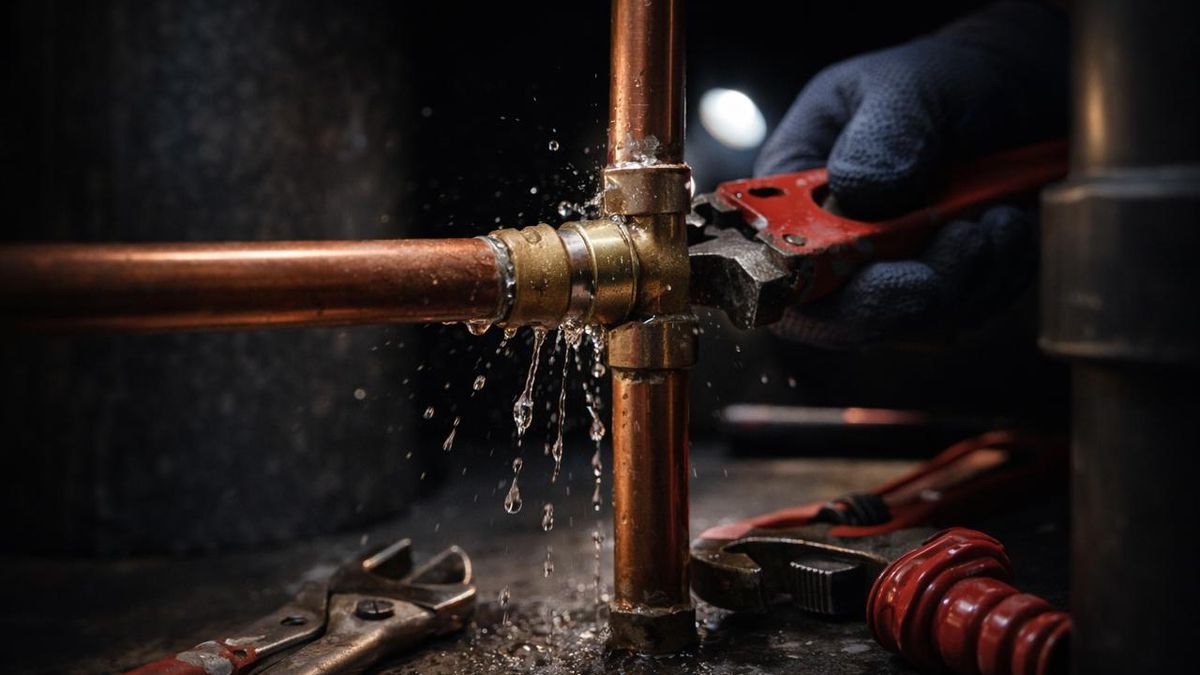
If you've lived in the Dallas-Fort Worth area for any length of time, you know that North Texas winters are unpredictable. Most days are mild, but every few years, an Arctic blast sends temperatures plummeting well below freezing — sometimes for days at a time. The winter storms of 2021 and 2022 proved just how devastating frozen pipes can be for Texas homeowners who weren't prepared.
The problem is that most DFW homes weren't built for extended freezes. Unlike homes in northern states, our houses often have pipes routed through exterior walls, uninsulated attics, and crawl spaces with minimal protection. When temperatures drop into the teens or single digits, those exposed pipes are at serious risk of freezing — and bursting.
Here's how to protect your home before, during, and after a Texas winter storm.
Before the Freeze: Preparation Is Everything
The time to prepare for a winter storm is before temperatures drop. These steps can be done in an afternoon and could save you thousands in water damage repairs.
1. Insulate Exposed Pipes
The single most effective thing you can do is insulate any pipes that are exposed to cold air. Focus on pipes in the garage, attic, crawl space, and along exterior walls. Foam pipe insulation sleeves are inexpensive (under $3 per 6-foot section at any DFW hardware store) and easy to install — just slip them over the pipe and secure with tape.
For pipes in especially vulnerable areas, consider upgrading to heat tape or thermostatically controlled heat cables. These wrap around the pipe and provide gentle warmth when temperatures drop, preventing ice formation. They're particularly valuable for outdoor hose bibs and pipes running through unheated garages.
2. Disconnect and Drain Outdoor Hoses
Disconnect all garden hoses from outdoor faucets. Water left in a connected hose can freeze and back up into the pipe inside your wall, causing it to burst. After disconnecting, open the outdoor faucet briefly to drain any remaining water, then close it. If you have frost-free hose bibs, make sure they're functioning properly — the shutoff valve is inside the wall, but they can still freeze if a hose is left attached.
3. Locate Your Main Water Shutoff Valve
Every DFW homeowner should know where their main water shutoff valve is located before an emergency. In most North Texas homes, it's near the street at the water meter or where the main line enters the house (often in the garage or a utility closet). Practice turning it off and on. If a pipe does burst, being able to shut off the water in seconds rather than minutes can be the difference between a minor cleanup and a catastrophic flood.
4. Seal Gaps and Cracks
Cold air infiltration is a pipe-freezer's best friend. Walk around your home and seal any gaps where cold air could reach pipes — around holes where pipes penetrate exterior walls, gaps around the garage door, foundation vents, and poorly sealed windows near plumbing. A can of expanding foam or caulk is all you need.
Pro Tip: Open Cabinet Doors
During a freeze, open kitchen and bathroom cabinet doors to let warm air circulate around the pipes under sinks — especially those on exterior walls. It's simple, free, and surprisingly effective.
During the Freeze: Active Protection
5. Let Faucets Drip
When temperatures are forecast to drop below 28°F, let cold water drip from faucets served by exposed pipes. You don't need a steady stream — a slow, steady drip is enough. Moving water is much harder to freeze than standing water, and the slight flow relieves pressure buildup in the pipe that can cause a burst even if ice does form. Focus on faucets on exterior walls and at the far ends of your plumbing runs.
6. Keep Your Heat On
Never turn off your heating system during a winter storm, even if you leave the house. Set the thermostat to at least 55°F. If the power goes out (as many DFW residents experienced during Winter Storm Uri), open cabinet doors, drip faucets, and consider shutting off the main water supply and draining the lines as a precaution. The cost of running your heater is nothing compared to the cost of repairing burst pipes and water damage.
7. Keep the Garage Door Closed
If you have water supply lines running through your garage — and many DFW homes do — keep the garage door closed during freezing weather. An open garage door exposes those pipes to the full force of the cold and wind. Even a well-insulated pipe can freeze if the ambient temperature around it drops low enough.
If Your Pipes Freeze: What to Do
You'll know a pipe is frozen when you turn on a faucet and only a trickle (or nothing) comes out. Here's what to do:
- Leave the faucet open. As the ice begins to melt, water needs somewhere to go. Keeping the faucet open also helps relieve pressure.
- Apply gentle heat. Use a hair dryer, heating pad, warm towels, or a portable space heater to warm the frozen section. Start from the faucet end and work toward the frozen area. Never use a blowtorch, propane heater, or open flame — this is a fire hazard and can damage the pipe.
- Check for cracks or leaks. As the pipe thaws, watch carefully for any water spraying or dripping from the pipe itself. If you see a crack or split, shut off the main water supply immediately.
- Call a plumber if needed. If you can't locate the frozen section, if multiple pipes are frozen, or if you find any damage, call a licensed plumber. Attempting to thaw pipes inside walls without professional help can cause further damage.
After the Storm: Inspect and Repair
Once temperatures rise above freezing, do a thorough walkthrough of your home. Check under all sinks, in the attic, in the garage, and around your water heater for any signs of leaks. Sometimes a pipe cracks during a freeze but doesn't leak until it thaws — so damage can appear hours or even days after the storm passes.
Also check your outdoor spigots by turning them on briefly. Look at your water meter: if all fixtures are off but the meter is still moving, you have a hidden leak somewhere and should call a plumber immediately.
Storm Damage? We're Here to Help.
Pro Plumbing DFW offers 24/7 emergency service for burst pipes and winter storm damage. Fast response across the entire DFW metroplex.
Contact Us NowDon't Wait for the Next Storm
The best time to winterize your plumbing is before you need to. If you'd like a professional assessment of your home's vulnerability to freezing pipes, Pro Plumbing DFW offers pre-winter plumbing inspections across Dallas-Fort Worth. We'll identify at-risk pipes, recommend insulation upgrades, and make sure your home is ready for whatever Texas weather throws at it.
Contact us today or call +1 817-634-PIPE (7473) to schedule your winterization assessment. Because in Texas, it's not a matter of if the next freeze will come — it's when.